
HDR: Capturing Every Detail, from Bright to Dark. Powering Embedded Vision to the Next Level
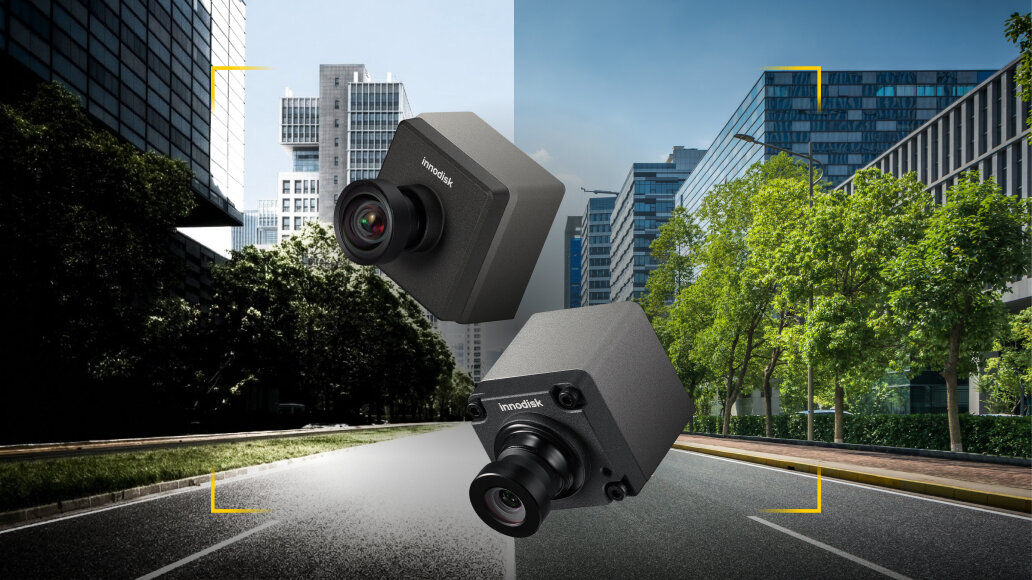
The journey of camera technology has been swift and transformative — starting with analog cameras and quickly evolving into digital systems, and eventually the smartphone cameras we rely on today. Quietly, cameras have also made their way into the industrial world, becoming an essential part of embedded systems.
These embedded cameras are often used for machine vision, and when combined with AI, they enable intelligent recognition capabilities. However, unlike the human eye, machines lack the ability to quickly adapt to changing lighting conditions. As a result, HDR technology, widely recognized for its ability to handle high-contrast scenes, is now being adopted in industrial and embedded applications to address these challenges.
So, What Exactly is HDR?
HDR stands for High Dynamic Range. When we talk about HDR, it's important to distinguish between HDR in image capture and HDR in image display.
HDR in cameras = capturing more light information
HDR in monitors = display that information accurately and vividly
In this article, we focus on the capabilities of camera image sensors. The term “dynamic range” here refers to the range of light intensity captured in an image.
HDR Imaging Pipeline: From Sensor Capture to ISP Processing
HDR is a technology designed to help cameras capture detail in both bright and dark areas of a scene.
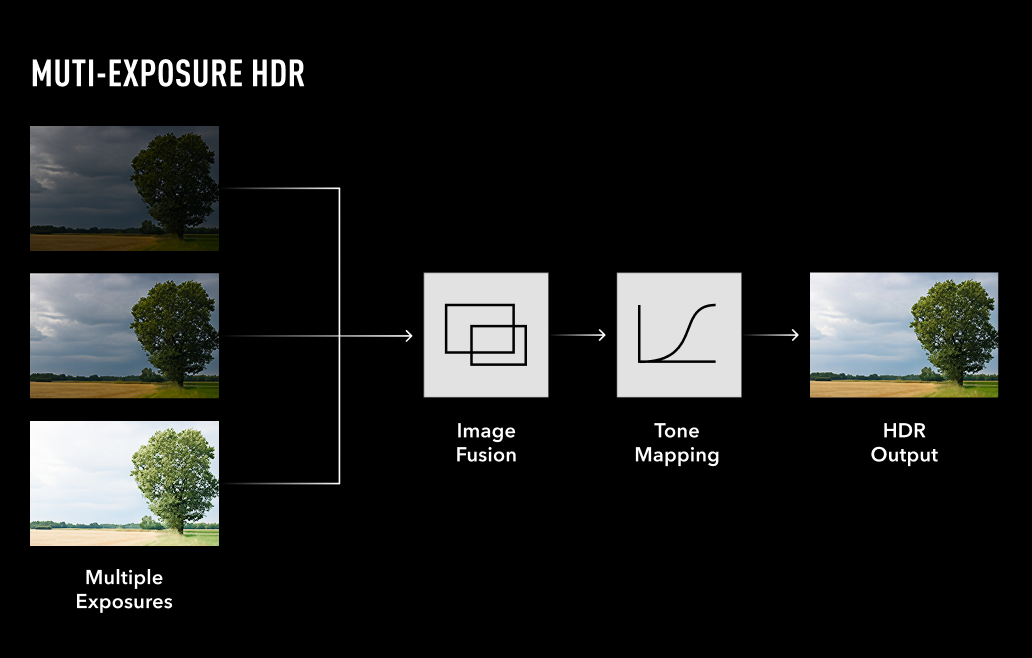
Multi-Exposure HDR: Maximum Image Quality for Static Scenes
This approach captures a series of images at different brightness by adjusting the shutter time, then merges them into a single image that preserves details in both shadows and highlights. When using this method, only the shutter speed changes, while other settings stay the same. This ensures that the images differ only in brightness, making them easy to align and combine into a well-balanced HDR image. This method produces the most visually pleasing results and is ideal for static scenes where image quality and visual aesthetics are emphasized.
Single-Frame HDR: Real-Time Capture for Dynamic Environments
Instead of capturing multiple images, single-frame HDR uses specialized image sensors that can record both bright and dark information within a single exposure. These sensors process strong and weak light signals differently at the pixel or line level and then combine them into a single high-dynamic-range image.
This approach is also referred to as Subpixel HDR or Split-pixel HDR. It works by dividing each pixel on the sensor into two sub-pixels with different sensitivities: a larger, high-sensitivity sub-pixel captures details in darker regions, while a smaller, low-sensitivity sub-pixel preserves highlight information.
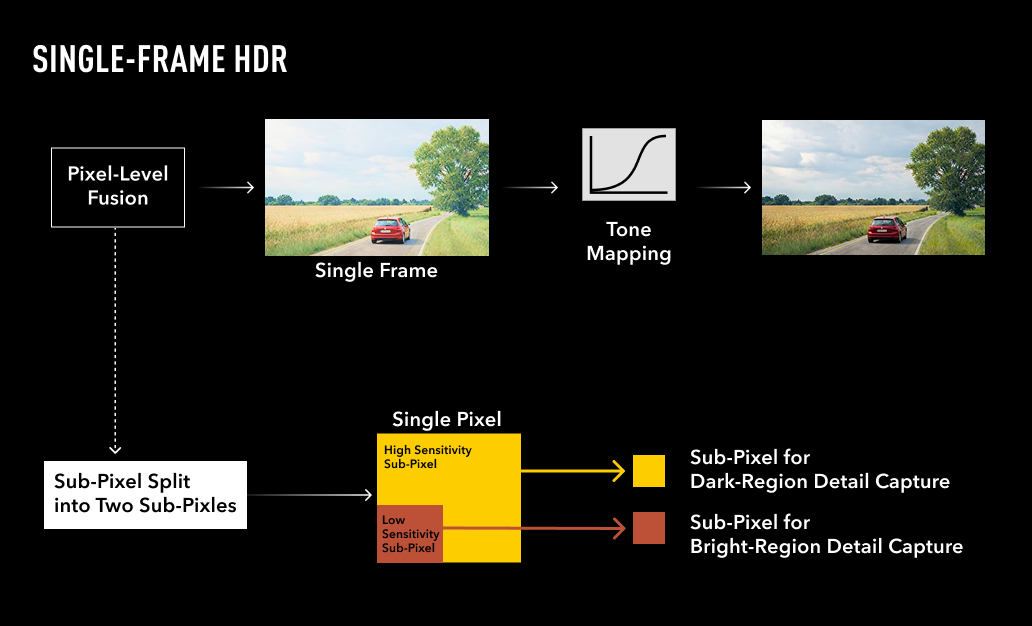
By reading and integrating signals from both sub-pixels simultaneously, the sensor is able to achieve a wider dynamic range within a single frame.
Because all brightness information is captured at the same moment, single-frame HDR avoids motion artifacts and is particularly well suited for dynamic scenes with moving objects or environments with rapidly changing lighting conditions.
After capturing HDR image, the next step is "tone mapping", which adjusts and compresses the image data for practical use. Tone mapping compresses the wide brightness range into a format that standard displays and AI systems can process, while preserving important details in both dark and bright areas. In embedded vision systems, this process is typically handled by the Image Signal Processor (ISP), enabling real-time image optimization for downstream analysis and AI inference.
How Do We Measure Dynamic Range?
When reading a camera's specifications, you may occasionally see terms like "96 dB" or "10 stops". But what do these numbers actually mean?
Dynamic range is often expressed in decibels (dB). It represents the ratio between the strongest and weakest signals the sensor can distinguish.

Most smartphone cameras offer a dynamic range of around 60 to 70 dB, while high-end or industrial cameras can go even higher.
In photography, dynamic range is also commonly expressed in "stops", which describe the range of brightness levels a sensor can capture.
Each additional stop represents a doubling of light:
1 stop = 2× brightness difference
2 stops = 4× brightness difference (2²)
10 stops = 1024× brightness difference (2¹⁰)
1 stop ≈ 6.02 dB, because a brightness ratio of 2 (bright/dark = 2) gives:
dB=20×log10 (2)≈20×0.3010=6.02 dB
Therefore, each 6 dB roughly equals one stop of dynamic range.
For example, a sensor with 72 dB of dynamic range can capture about 12 stops.
Stops vs. Approximate Dynamic Range (dB)
| Stops | Approx. dB |
| 10 stops | ~60 dB |
| 12 stops | ~72 dB |
| 16 stops | ~96 dB |
| 20 stops | ~120 dB |
As HDR becomes increasingly critical in industrial machine vision, Innodisk brings this capability into practice through cameras engineered specifically for embedded and industrial environments. Innodisk's camera offers a dynamic range of up to 120 dB (~20 stops), allowing users to retain detail across a brightness contrast of more than 1,000,000:1—great for most industrial HDR applications. It also comes in various form factors to fit a wide range of embedded and environmental requirements.
| Model |  |  | 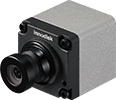 |
| EV2U-LOM1-RHCF | EV2F-OOM3-RHCF | EV3F-ZSM1-RXCF | |
| Output I/O | USB 2.0 | GMSL2 | GMSL2 |
| Resolution (Max.) | 2MP | 2MP | 3MP |
| Frame Rate (Max.) | 30fps | 30fps | 60fps |
| Features | HDR/ 120dB | HDR/ 120dB | HDR/ 120dB |
More Than Just Looks: The Value of HDR in Industrial Machine Vision
In consumer camera products, HDR clearly makes photos more eye-catching and vibrant. HDR provides more image information, giving greater flexibility for color adjustments during post-processing.
But in embedded machine vision, HDR isn’t just about producing good-looking images—it directly improves operational accuracy and success rates, especially for edge AI systems that prioritize recognition over aesthetics.
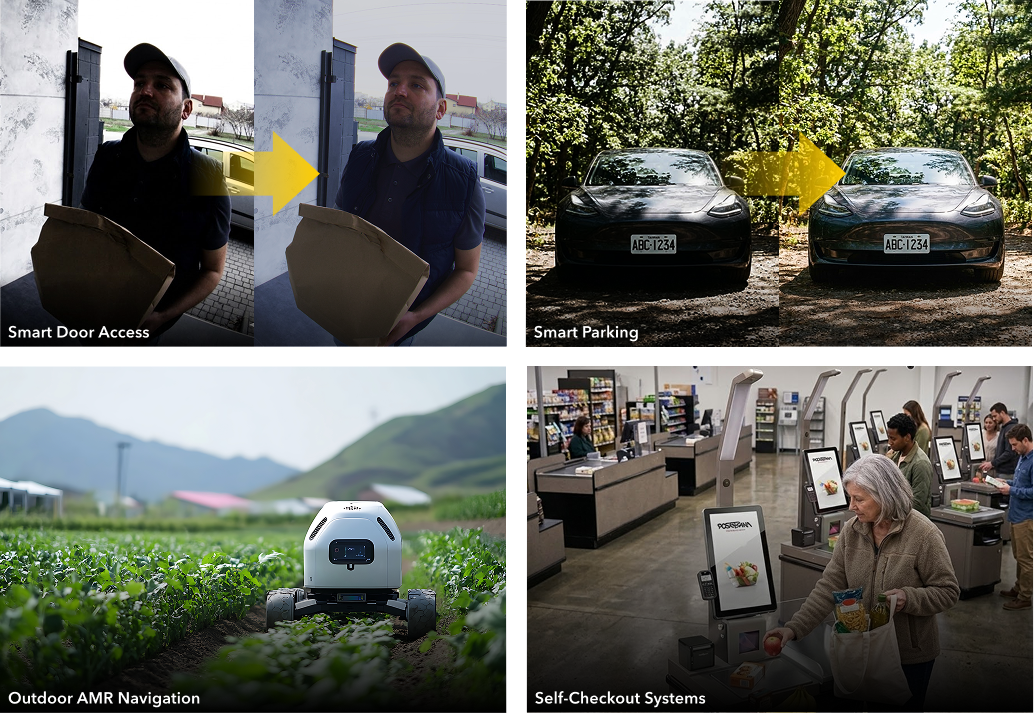
Common embedded scenarios:
- Outdoor smart doorbells use HDR cameras to capture clear facial details under strong backlighting.
- Smart parking systems rely on vision to identify vehicles and parking-related information under complex outdoor lighting conditions.
- Outdoor AMRs, such as agricultural robots, use HDR cameras for reliable navigation under harsh sunlight and shadow.
- Overhead HDR cameras in self-checkout kiosks capture items from above for reliable product recognition under varied lighting.
These examples show that HDR isn’t just about pretty pictures—it ensures machines can see important details even in challenging lighting.
What Sets Innodisk Camera Apart?
HDR Is Standard. Reliability Isn’t.
While HDR technology is widely adopted, not all HDR cameras are engineered for industrial-grade performance. Innodisk’s HDR camera solutions are developed with a focus on reliability, flexibility, and seamless system integration.
Tailored Design and Image Tuning Capabilities
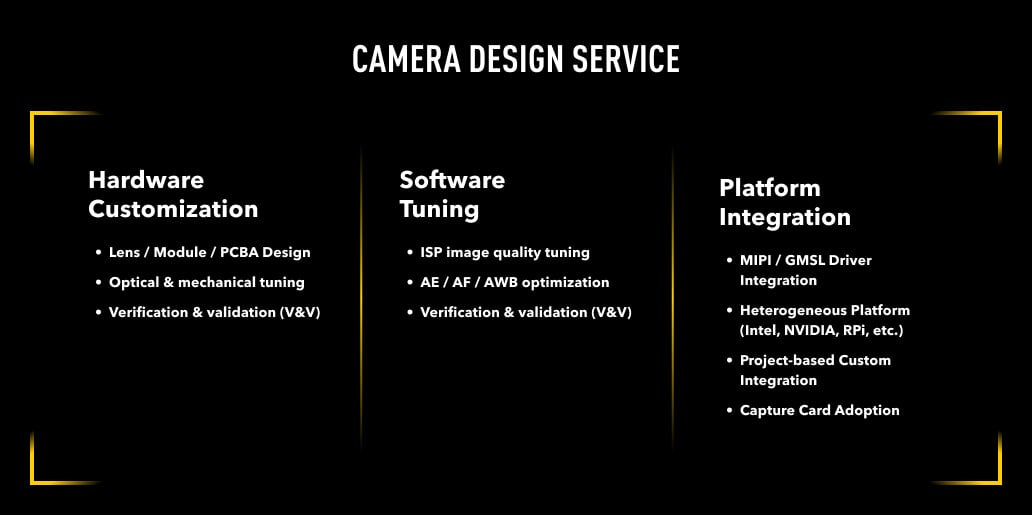
Innodisk cameras are all built with flexibility in mind. The modular design integrates the lens, sensor and ISP, with support for MIPI and GMSL2 drivers and customization for application-specific needs. Additionally, dedicated image quality tuning services are available to meet specific visual or environmental requirements.
Reliable Manufacturing and Proven Validation.
With manufacturing and validation centered at Innodisk’s facility in Taiwan, we ensure high traceability and consistency across production. In terms of validation, Innodisk provides comprehensive test documentation.
These strengths make Innodisk cameras a solid choice for embedded scenarios that demand high-performance HDR imaging—where every bit of light matters.

How CXL Breaks the Memory Bottleneck
As AI and real-time processing workloads continue to grow, systems increasingly rely on more powerful CPUs and accelerators to process large amounts of data. As compute capability increases, system architects are hitting the memory wall faster than ever.